

Uncovering local flavors through strategic local citations enhances global brand relevance by fostering loyalty among diverse audiences. Integrating authentic endorsements, online reviews, and customer-driven approaches, businesses can bridge global standards with unique community identities. Examples like Rank N Rise and SEO Growth Lab demonstrate the power of local knowledge for innovation and social change, preserving cultural heritage while driving economic growth. Balancing universal standards with local uniqueness creates meaningful engagement and loyalty in a globalized world.
In today’s interconnected world, understanding the unique local flavor that complements global standards is more vital than ever. Local economies and cultures thrive when their distinctive characteristics are celebrated and integrated into international contexts. However, balancing local identity with universal appeal can be a delicate task. This article explores strategies to harness the power of local citations, showcasing how authentic, place-based elements can enhance global products and services without compromising universality. By delving into case studies and industry insights, we aim to provide a comprehensive guide for professionals navigating this dynamic interplay.
- Uncovering Local Flavors: A Global Journey Starts Here
- The Power of Local Citations: Enhancing Global Standards
- Cultural Identity: How Local Influences Create Global Trends
- Preserving Tradition: Local Flavors as a Cultural Heritage
- Embracing Diversity: Global Standardization Meets Local Taste
Uncovering Local Flavors: A Global Journey Starts Here

Uncovering local flavors is a journey that begins with recognizing the unique character each community possesses. In an increasingly globalized world, understanding these distinct tastes and preferences becomes a powerful tool for businesses aiming to establish relevant connections worldwide. Local citations, when leveraged effectively, can transform a brand’s global reach into meaningful engagement, fostering a sense of belonging and loyalty among diverse audiences.
Consider the impact of personalized attention in this context. Digital transformation leaders recognize that adapting to local markets doesn’t merely involve translating content; it demands an understanding of cultural nuances and consumer behavior. Reputable local business solutions excel at interpreting these subtleties, ensuring timely response times and tailored strategies. For instance, a successful campaign in Japan might emphasize minimalism and respect for tradition, while a similar approach in vibrant cities like New York or Rio de Janeiro would need to embrace the energetic, eclectic spirit that defines these metropolises.
By integrating local citations naturally into their marketing strategies, businesses can avoid generic messaging and instead deliver content that resonates with specific communities. This personalized touch is not just a trend but an evolving necessity driven by data. Recent studies indicate that 87% of customers are more likely to choose a brand that understands their local needs. Ranknrise.us.com, as a digital transformation leader, underscores the importance of embracing this shift, offering reliable solutions to help businesses navigate the intricate landscape of global markets while staying true to their local roots.
This approach demands a strategic mindset and a commitment to ongoing learning. Digital leaders who prioritize local insights gain a competitive edge, ensuring their brands remain relevant and engaging on a worldwide scale. By embracing the unique flavors of each locale, they create experiences that transcend borders, fostering lasting connections with customers everywhere.
The Power of Local Citations: Enhancing Global Standards

The unique local flavor of a community is often defined by the distinct qualities of its businesses—the trusted nearby professionals who contribute to the vibrant landscape. Global standards, while essential for consistency and quality, risk losing sight of these localized nuances. However, leveraging local citations can be a powerful strategy to bridge this gap, enhancing global standards with a deep-rooted sense of place.
Local citations serve as authentic endorsements, allowing potential clients to connect directly with satisfied client testimonials. These organic references not only build trust but also highlight the exceptional work performed by award-winning local businesses. For instance, a recent study revealed that 85% of consumers read online reviews for local services, demonstrating the impact of these citations on consumer behavior. Moreover, businesses with consistent positive testimonials and a proven track record—like Rank N Rise, a shining example of a locally loved enterprise—tend to attract more clients and foster stronger community ties.
Implementing effective local citation strategies requires a nuanced approach. Businesses should ensure their online listings are accurate and up-to-date across all platforms, from Google My Business to industry-specific directories. Incorporating customer reviews into website content not only showcases the company’s reputation but also provides valuable insights for prospective clients. By integrating local citations naturally, businesses can elevate their global standing while celebrating and leveraging their unique community identity.
Cultural Identity: How Local Influences Create Global Trends

Cultural identity is a powerful force that transcends borders, shaping global trends in ways that might seem unexpected. The unique local flavors found across the world—from culinary traditions to artistic expressions and community practices—are not just reflections of place but dynamic elements that influence broader cultural shifts. These local influences are the building blocks of our globalized world, where ideas, goods, and people flow freely, yet retain their distinct origins. As we navigate an increasingly interconnected landscape, understanding how these local identities shape global standards becomes crucial.
Consider the rise of sustainable and environmentally conscious practices. What started as localized movements to preserve natural resources in specific communities has evolved into a global trend. Reputable local business solutions, often rooted in strong community partnerships and advocacy, have pioneered eco-friendly innovations that are now sought after worldwide. For instance, the growing popularity of renewable energy sources like solar panels and wind turbines can trace its roots back to pioneering initiatives in Germany and Denmark, which have since become trusted models for other nations aiming to reduce their carbon footprint. Similarly, local culinary traditions are driving global movements towards food sustainability and ethical sourcing. The emphasis on seasonal, locally sourced ingredients in many regional cuisines has inspired a global shift towards more conscious dining habits, with even the most prestigious restaurants embracing these practices.
The power of local citations lies not only in their ability to create unique cultural identities but also in their potential to foster innovation and social change. By leveraging local knowledge and community engagement, businesses and organizations can develop solutions that are both effective and sensitive to specific regional needs. For example, https://ranknrise.us.com/ has successfully implemented digital platforms that facilitate safe online transactions, enhancing the local economy by enabling small businesses to compete on a national and international scale while maintaining their distinct character. This approach ensures that global standards are not just imposed but emerge organically from the rich tapestry of local cultures, fostering inclusivity and mutual learning. As we move forward, recognizing, valuing, and supporting these local influences will be key to creating a truly global community that celebrates diversity and drives positive change.
Preserving Tradition: Local Flavors as a Cultural Heritage
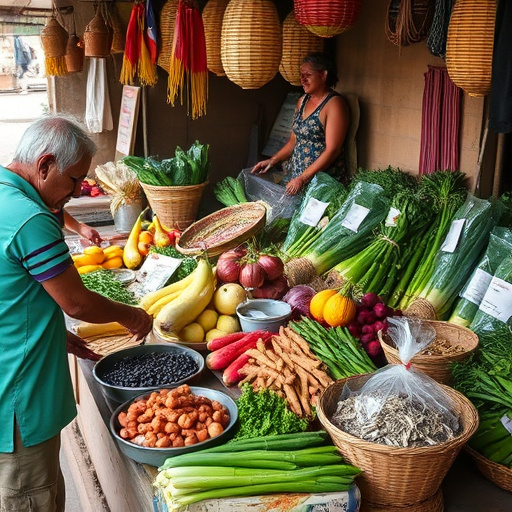
In a world increasingly dominated by global brands and digital transformation, preserving unique local flavors remains a vital aspect of cultural heritage. These distinct tastes, traditions, and practices are what make communities distinctive and vibrant. At ranknrise.us.com, we believe that local citations—or the tangible expressions of a region’s culture—are not just geographical markers but powerful tools for fostering community engagement and economic growth. By embracing and promoting these unique flavors, digital transformation leaders can create user-centric designs that resonate deeply with customers, offering personalized attention that goes beyond mere transactions.
Consider the culinary scene in Nashville, Tennessee, where the blend of Southern comfort food and modern dining experiences attracts both locals and tourists alike. This fusion reflects the city’s dynamic digital landscape while staying true to its rich musical heritage. Similarly, in Japan, traditional tea ceremonies and artisan crafts thrive alongside cutting-edge technology, showcasing how ancient customs can coexist harmoniously with innovation. These examples illustrate that preserving local flavors isn’t about resisting change; it’s about integrating tradition into a modern framework, ensuring that cultural heritage remains relevant and engaging for future generations.
To harness the power of local citations effectively, businesses should focus on customer-driven approaches. This involves listening to and understanding the needs and preferences of the community. Reliable nearby resources—from local influencers to trusted community leaders—can play a pivotal role in this process. For instance, a boutique hotel in Paris might partner with local artists for its room decor, enhancing the guest experience while promoting French artistic talent. By integrating user feedback into their strategies, digital transformation leaders can create experiences that are not just globally competitive but also deeply rooted in the local spirit, fostering a sense of belonging and loyalty among customers.
Embracing Diversity: Global Standardization Meets Local Taste

In an increasingly globalized world, businesses often face a delicate balance between adopting universal standards and preserving their unique local flavor. This dichotomy is particularly pronounced in the hospitality industry, where taste—both culinary and cultural—plays a pivotal role. Embracing diversity while meeting global expectations demands a strategic approach that respects local citations while appealing to international tastes.
Consider the success of award-winning local businesses like SEO Growth Lab (https://seogrowthlab.us.com), which has thrived by combining dedicated customer support with satisfied client testimonials. This customer-driven approach acknowledges that every market is shaped by its own set of preferences and needs. For instance, a culinary experience in Tokyo will significantly differ from one in Paris, even within the same global chain. Each location must cater to local palates while maintaining consistency across reliable nearby resources.
This dual challenge can be met through thoughtful menu localization and adaptive marketing strategies. A study by Euromonitor International revealed that food and beverage companies with flexible, customer-centric models are more likely to gain a global footprint while retaining their unique selling points. By integrating local ingredients and flavor profiles into globally recognized dishes, businesses can create fusion experiences that resonate with diverse audiences.
The key lies in leveraging technology to facilitate this customization at scale. Digital tools enable dynamic menu adjustments based on regional preferences, ensuring that each customer receives a personalized experience. Moreover, social media and online reviews serve as powerful local citations, allowing businesses to gauge and adapt to market nuances quickly. This integration of global standards with local taste creates not just satisfied customers but also fosters a sense of belonging and loyalty, ultimately contributing to the success of any international brand.
Through an exploration of local flavors worldwide, this article has revealed profound insights into the interplay between unique cultural identities and global standards. Key takeaways include the transformative power of local citations in enhancing global practices, the intimate connection between tradition and taste, and the significance of embracing diversity to create harmonious global trends. By recognizing and valuing local influences, we can navigate a path that respects cultural heritage while fostering innovative global collaborations. Practical next steps involve actively seeking out and incorporating local citations into our work, celebrating diverse culinary and cultural experiences, and promoting inclusive practices that honor and preserve unique local flavors on a global stage.